Browse Rivory
Settings
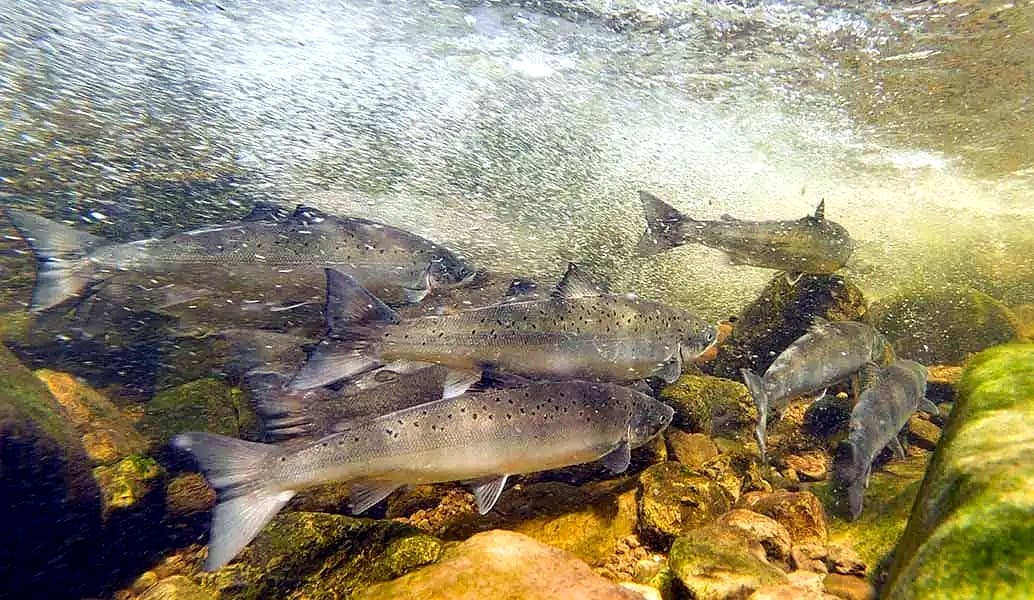
Wild salmon in many Gulf of Bothnia rivers recovered strongly after the crisis of the 1990s, but the 2023 and 2024 seasons have raised new concerns. According to SLU, the number of adult salmon returning to spawn in several Gulf of Bothnia rivers has decreased sharply since 2023, even though sea fishing pressure has remained low. For anglers, this matters because returning adult salmon are one of…
Ätran is a classic west coast salmon river in Sweden, and the Herting project is a key part of its recent restoration history. The project improved fish passage past Herting hydropower plant, recreated several hundred metres of old riverbed as stream habitat and made migration easier to follow through the fish counter at Hertingforsen. For anglers, Herting is useful because it adds context. It…
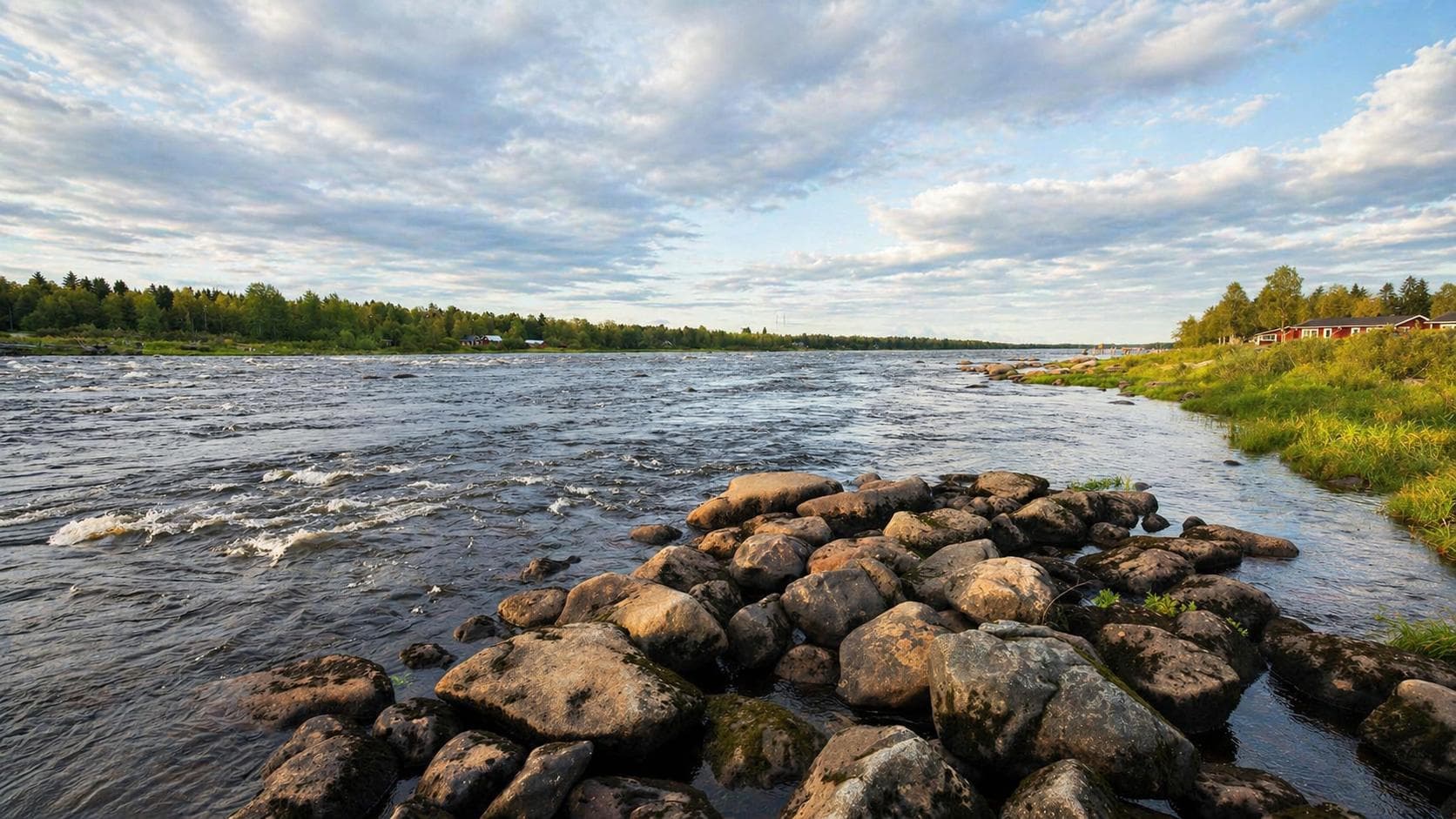
Torneälven/Tornionjoki is one of the most important Baltic salmon rivers, and its migration data is closely watched during the season. At Kattilakoski, about 100 km upstream from the river mouth, salmon and other migratory fish are counted using sonar. Monitoring usually starts in mid-May and continues at least until the end of August. The count is useful, but it is not a direct fishing forecast.…
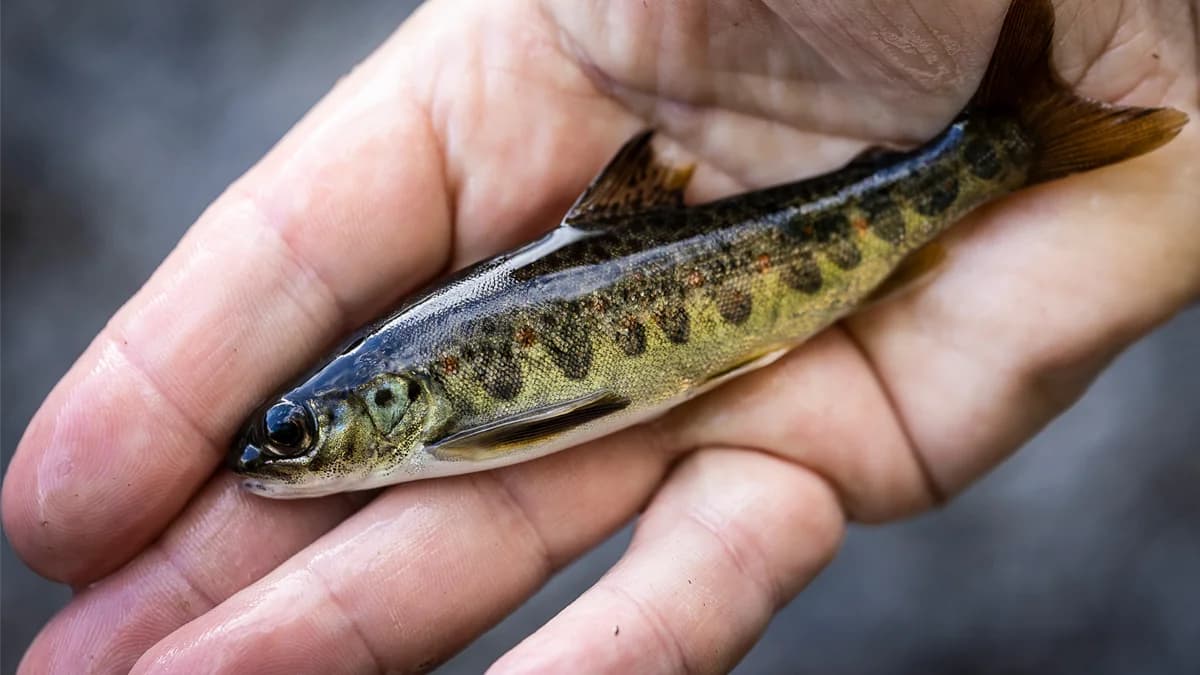
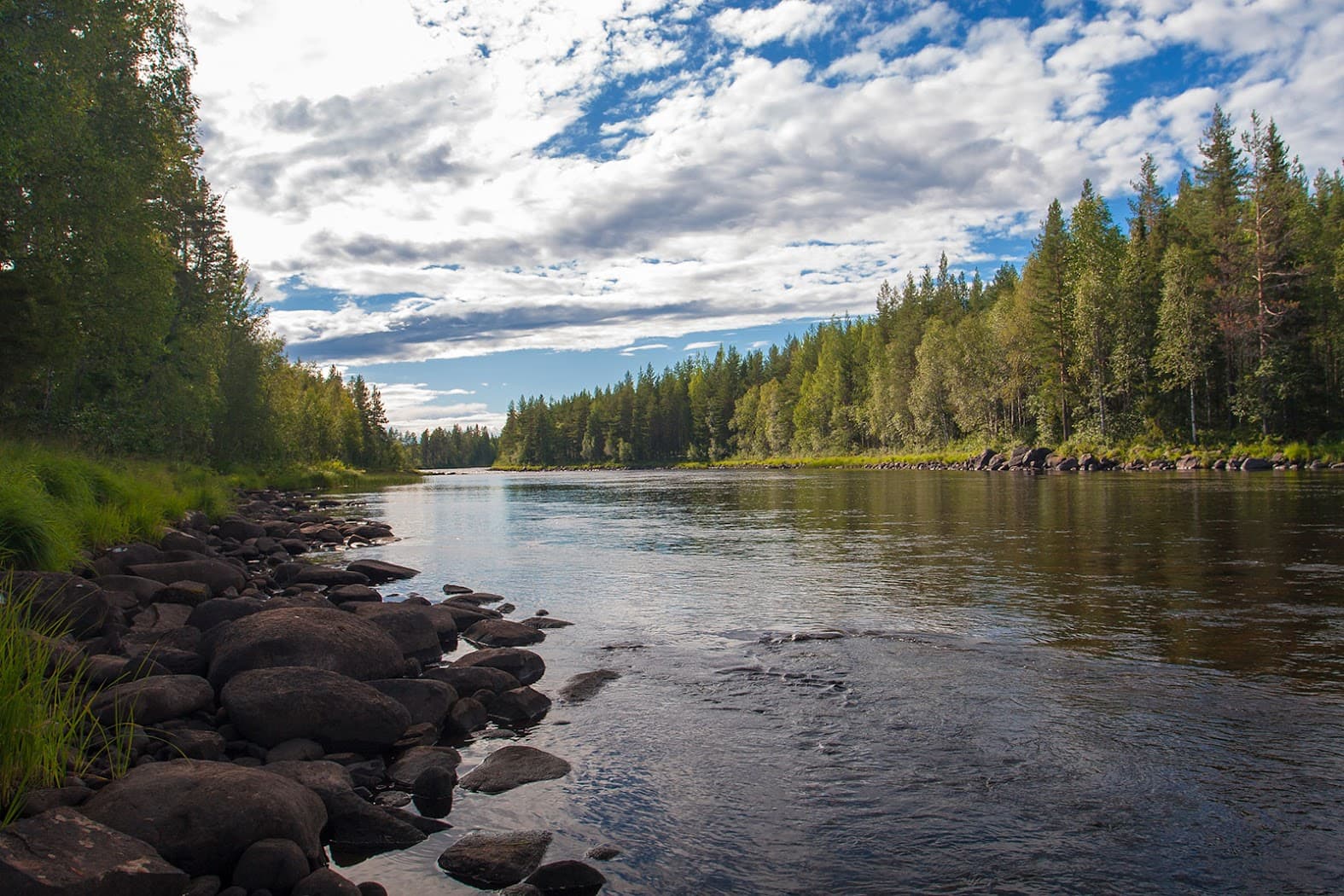
Byskeälven is often treated as a salmon river in an angling context, but the most important restoration work linked with this system was not meant to promise more fish for anglers next season. It was mainly about improving river habitat: the physical places where salmon and trout can spawn, where young fish can grow, and where the river can function more naturally again. This matters because many…
Many northern salmon rivers were physically changed to support timber floating. The goal was simple: logs had to move downstream as easily as possible. For the river, this often meant straighter channels, fewer boulders, blocked or disconnected side channels and less variation in flow. For salmon and trout, those changes mattered. A river can still look “wild” from the bank, but if its structure…