Byskeälven
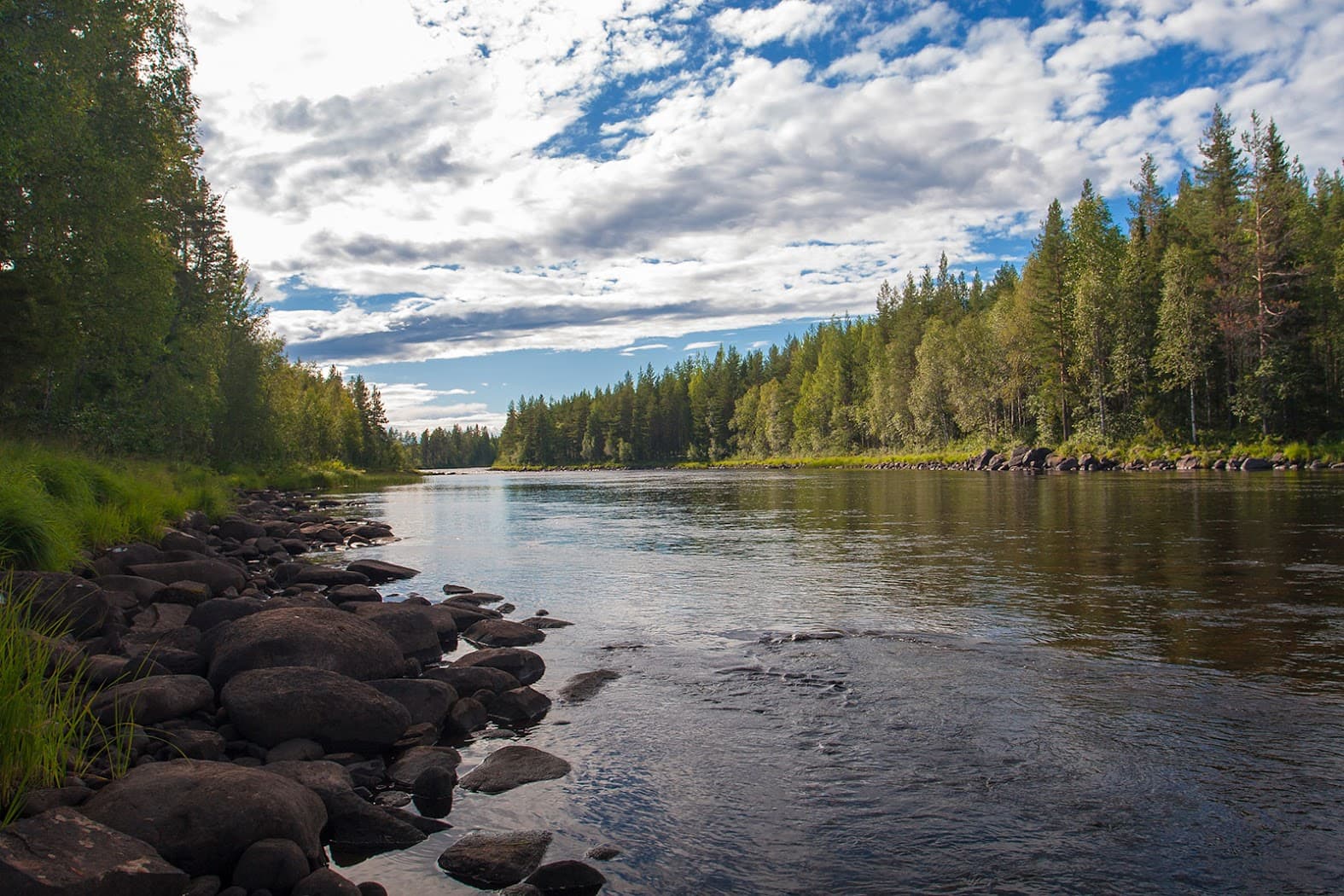
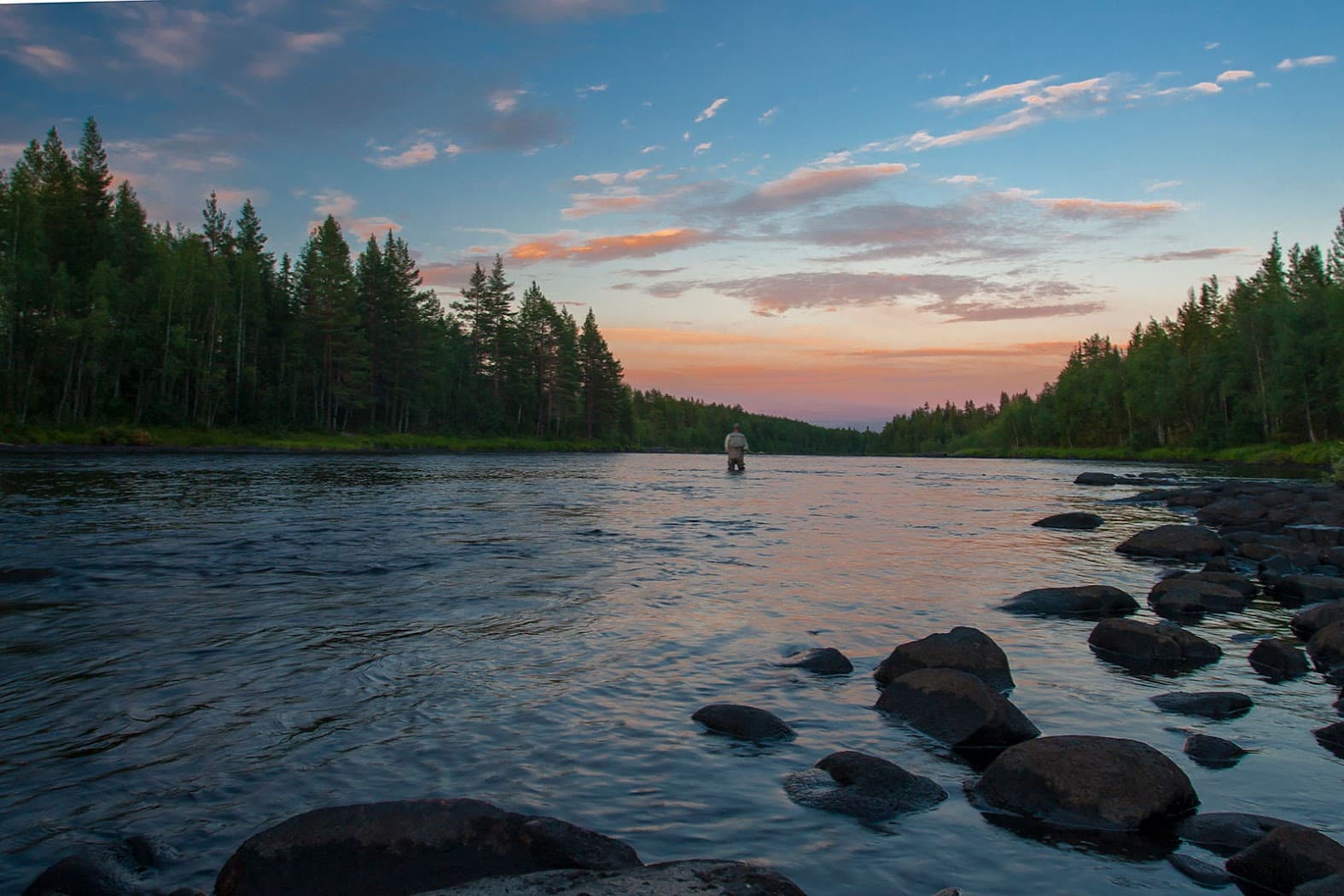
Byskeälven is a northern Swedish forest river and one of the country’s best-known salmon and sea-trout rivers. It flows into the Bothnian Bay at Byske, north of Skellefteå. The lower and middle river are the main salmon focus, while the upper fishery has a broader profile with trout, grayling, pike and perch.
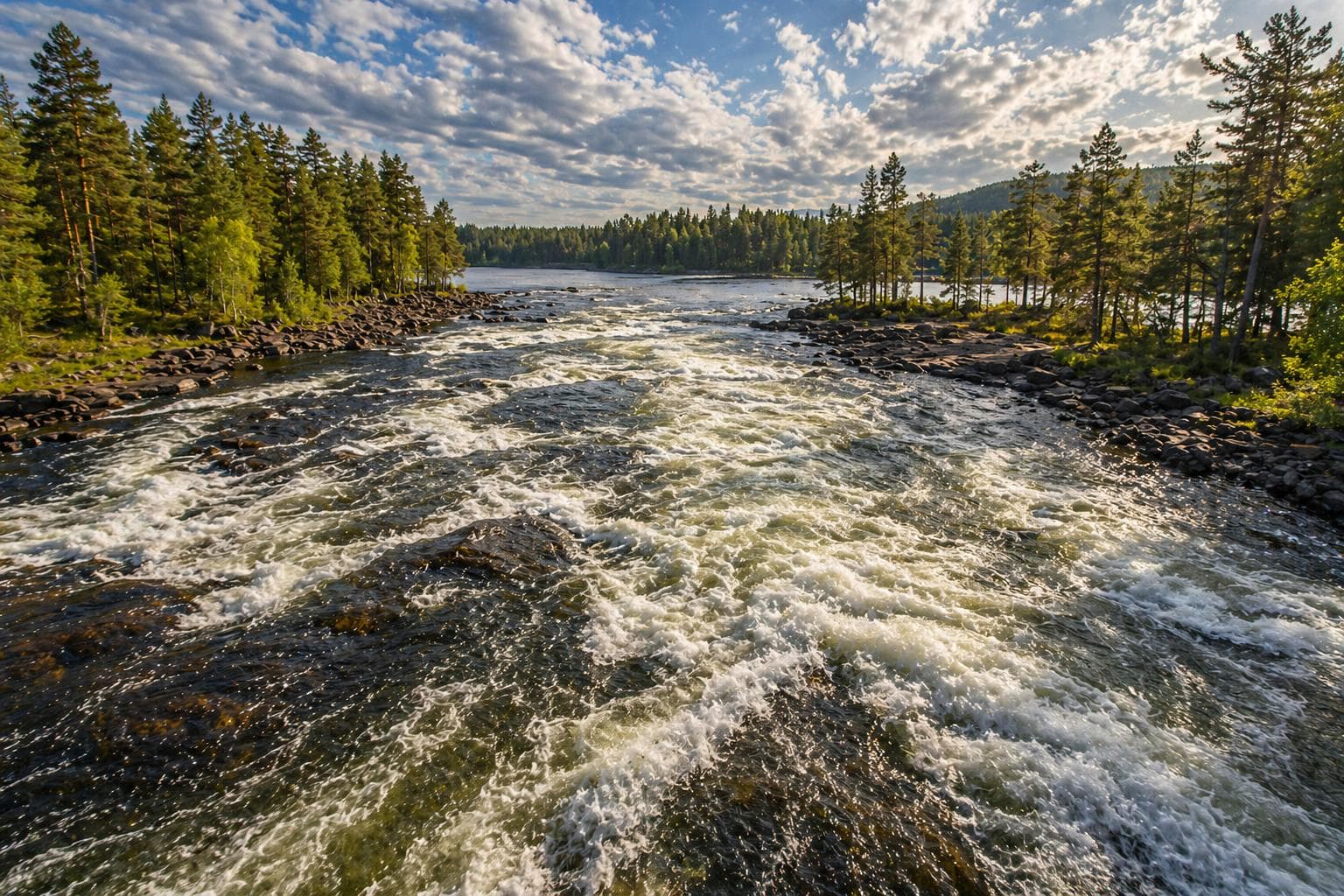
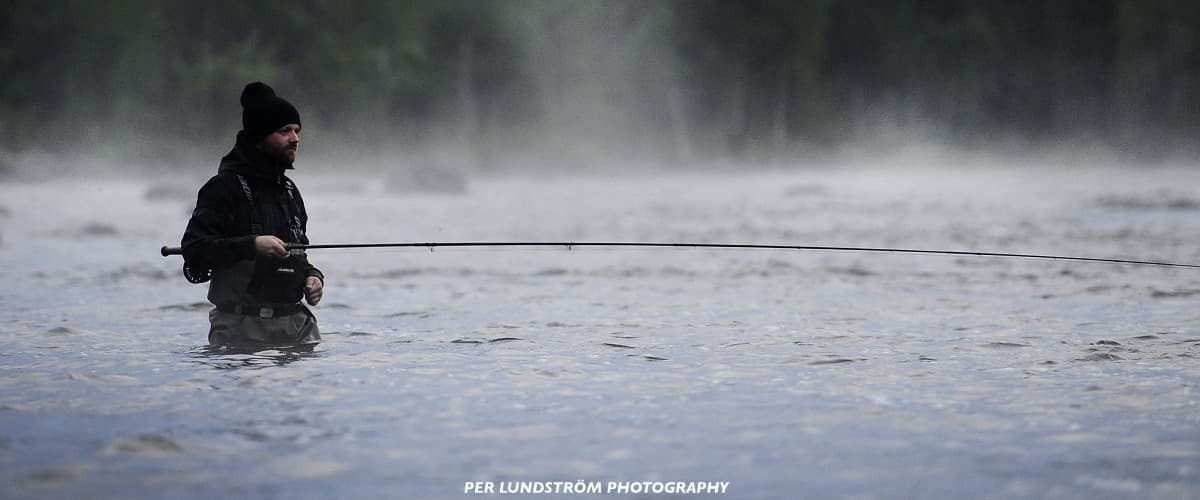
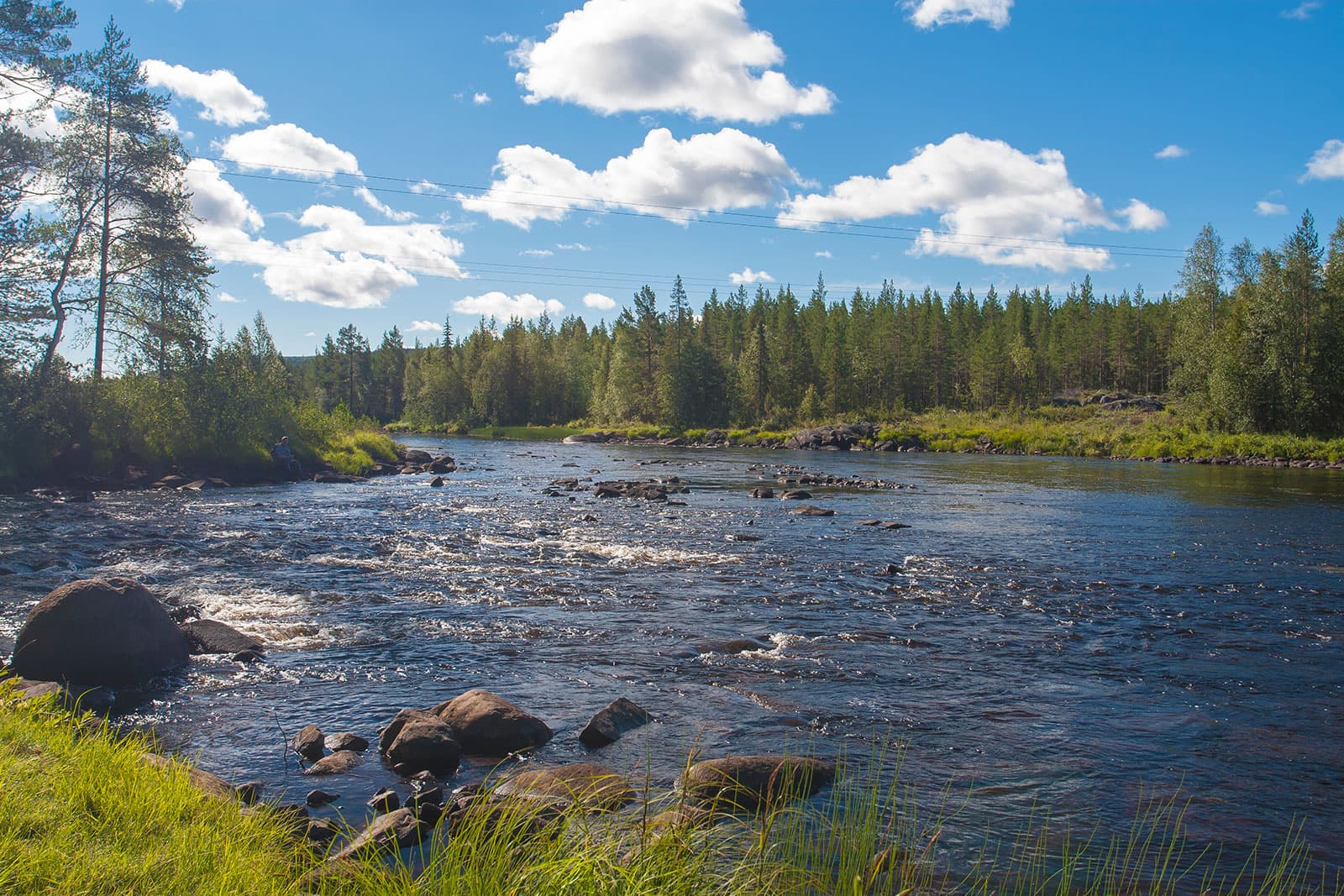
This is strong fly-fishing water, but it is not easy water. The lower river has a steep, fast character: the stretch from Bjurselet to the sea drops about 38 m in 11 km. In the upper fishery, local descriptions mention boulder sections, deep holes and changing water levels. The lower part of the upper fishery is easier to wade in places, with finer gravel and smaller stones.
Byske also has a fish counter and camera at Fällfors, about 28 km upstream from the sea. It is useful for migration context, but the online counter data should be treated as preliminary, not as a pool-level catch
Quick facts
- country: Sweden
- region: Västerbotten / Norrbotten
- river type: northern forest salmon river
- main focus: Atlantic salmon and sea trout
- important secondary species: grayling, trout, pike, perch
- main lower / middle fishery: Byskeälvens FVO Västerbottensdelen
- upper fishery: Byskeälvens Övre FVO
- fishing character: forest river, rapids, pools, boulders, technical wading
- monitoring: fish counter / camera at Fällfors
- core rule checks: salmon C&R before 19 June, August salmon slot, sea-trout slot, June village closure, Fällforsen no-fishing zone, catch reporting, high water temperature
Season and key rules
In Byskeälvens FVO Västerbottensdelen, salmon is catch-and-release until 18 June. Salmon may be kept from 19 June to 31 August, but in August only salmon between 50 and 63 cm may be killed. Sea trout may be killed only within the 50–63 cm slot throughout the season.
The daily retained catch limit is 1 salmon or 1 sea trout per angler, and the season limit is 5 salmon and 5 sea trout per angler. After keeping a salmon or sea trout, the angler must practise catch-and-release for the rest of the day. Salmon and sea trout over the minimum size must be reported within 24 hours.
Grayling has a minimum size of 35 cm, a daily bag limit of 5 fish, and is closed from 1 April to 31 May. All fishing in the Byske River and its tributaries is closed from 1 September to 31 December.
River character and access
Byskeälven should be treated as technical forest-river salmon water, not as easy open water. The lower river has a steep gradient before the sea, and the Fällfors area is important for both fishing and migration monitoring.
The upper fishery changes character along its length. The upper part is described as trout and grayling water with boulders and deep holes, where wading can be difficult. The middle part becomes calmer water with pike and perch potential. The lower part is described as salmon water and is easier to wade in places because the bottom includes finer gravel and smaller stones.
For anglers, the practical point is simple: choose the fishery and stretch before choosing method or expectations. A high-water salmon pool, a boulder section and a calmer pike / perch reach will not fish the same way.
Fisheries, stretches and permits
The river profile should separate two main fishery contexts.
Byskeälvens FVO Västerbottensdelen covers the lower and middle river in Västerbotten. It runs about 80 km, from Byske on the coast up to Kåtaselet and the Norrbotten border. Day permits, week cards, season tickets and zone cards are listed for this fishery.
Byskeälvens Övre FVO covers the upper fishery in Norrbotten County. It includes the Byskeälven section from Kilver to the county border at Kåtaselet, as well as tributaries including Kilisån, Bäverån and Fräkenträskbäcken.
Because these fisheries have different water, rules and target species, reports and licences should be checked by fishery or stretch, not as one river-wide assumption.
Rules that change the trip
Early-season salmon C&R
Until 18 June, all salmon must be released. If you want a chance to keep salmon, the Västerbotten fishery does not open that window until 19 June.
August salmon slot
From 1 August to 31 August, only salmon between 50 and 63 cm may be killed. All other salmon must be released.
Sea-trout slot
Sea trout may be killed only within the 50–63 cm slot throughout the season.
June village closure
During June, all fishing is prohibited from 06:00 to 18:00 between the blue bridge in Byske village and the wooden cable bridge downstream. In the same area, only single hooks are allowed during June.
Fällforsen no-fishing zone
All fishing is prohibited year-round around the permanent trap area at Fällforsen on both sides of the river. The closed area extends 50 m upstream of the intake and 100 m downstream of the outlet.
Warm-water rule
At water temperatures above 20°C, anglers should not target salmon. Catch-and-release fishing should not take place, and the FVO board can close all or parts of the river in extreme conditions.
Catch reporting
Catch reporting is mandatory. Salmon and sea trout over the minimum size must be reported within 24 hours, and released fish are also part of the reporting system.
Target species
Atlantic salmon is the main draw in the lower and middle river. Byske has a strong reputation for salmon and sea trout, but current rules matter more than reputation when planning dates.
Sea trout is managed together with salmon in the Västerbotten rules, with the 50–63 cm kill slot and the same daily and season limits.
Grayling is important, especially outside the strict salmon focus. In Västerbottensdelen it has a 35 cm minimum size, a 5 fish/day bag limit and a spring closure from 1 April to 31 May. In the upper fishery, grayling is part of the main practical fishing picture.
Trout, pike and perch matter more in the upper fishery and mixed-water sections. Övre FVO describes the upper part as trout and grayling water, the middle part as calmer pike / perch water, and the lower part as salmon water.
Migration camera and fish counter
The fish counter at Fällfors is 28 km upstream from the sea and monitors salmon and trout migration. It is an optical counter with camera support in the southern fishway. The northern fishway has a counter without a camera, so species identification is more limited there.
The camera operates only when conditions allow, often from the end of June to October. Online data are preliminary and may be adjusted after end-of-season review.
For anglers, the counter is a migration signal, not a catch forecast for a specific pool.
 Galleries
What to watch
- Water level — Byske can be technical to wade, especially where boulders, deeper holes and higher water meet.
- Water temperature — above 20°C, anglers should not target salmon, and C&R should not take place.
- Early-season C&R — all salmon must be released until 18 June.
- August slot — only salmon 50–63 cm may be killed in August.
- Fällforsen area — year-round no-fishing zone around the trap area.
- June village restriction — daytime closure and single-hook rule in the Byske village stretch.
- Fällfors counter — useful migration context, but preliminary and not pool-specific.
- Fishery choice — Västerbottensdelen and Övre FVO should be checked separately.
What can go wrong
- You plan to keep salmon before 19 June, but early-season salmon is catch-and-release.
- You keep a salmon outside the August 50–63 cm slot.
- You fish the Byske village stretch during the June daytime closure.
- You enter the protected Fällforsen trap area.
- You underestimate the wading in high water or boulder sections.
- You read the Fällfors counter as a catch forecast for a specific pool.
- You buy or check the wrong fishery permit.
- You keep fishing for salmon when water temperature is over 20°C.
FAQ about Byskeälven
Yes. Byske is one of northern Sweden’s best-known salmon and sea-trout rivers, especially in the lower / middle Västerbotten fishery. The upper fishery also has important trout, grayling, pike and perch water.
 Articles